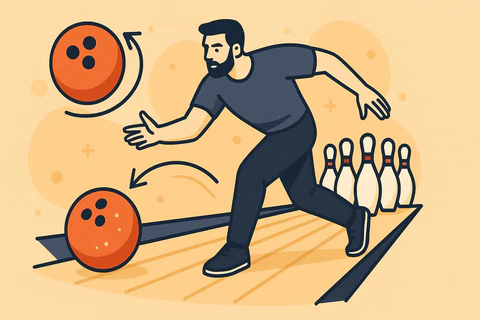
Bowling has a reputation problem. To some, it’s a kitschy pastime—something you do on a whim with friends, maybe while sipping a soda from a plastic cup. But that’s only one version of it. For others, bowling is a sport of finesse, physics, and quiet obsession. It’s a game where the smallest adjustments—your wrist angle, your foot placement, the oil on the lane—can mean the difference between a strike and a split. And once you start to see it that way, it’s hard to go back.
Whether you’re trying to break out of the bumper lane or you’ve already got your own ball and shoes, understanding how to throw and hook a bowling ball properly isn’t just helpful—it’s essential. This isn’t about brute force. It’s about control, consistency, and knowing how to read the lane like a second language. And yes, it’s a skill you can absolutely learn.
What You’re Actually Doing When You Bowl
On the surface, bowling looks simple: roll a ball, knock down pins. But the simplicity is deceptive. Every frame is a puzzle, and every throw is a chance to solve it better than you did last time. The game is built on layers—rules, physics, equipment, and technique—all working together in a way that’s more complex than it seems.
Scoring Isn’t Just Math—It’s Momentum
Each game has ten frames. You get two throws per frame, unless you roll a strike. A strike scores 10 plus the total of your next two throws. A spare scores 10 plus your next throw. That’s why a perfect game—12 strikes in a row—adds up to 300. But more than numbers, the scoring system rewards rhythm. One good frame builds into the next. One mistake can echo for two more. It’s not just about knocking pins down—it’s about doing it in the right sequence.
The Lane Isn’t Just a Surface—It’s a Variable
Bowling lanes are 60 feet long and just over 41 inches wide. But what really matters is the oil. Yes, the lane is oiled—and not randomly. Most recreational centers use a “house shot” pattern: more oil in the middle, less on the sides. This helps guide your ball toward the pocket. But in competitive play, oil patterns get trickier, flatter, and less forgiving. The oil affects how your ball moves, how much it hooks, and when it turns. If you’re not paying attention to it, you’re playing blind.
The Ball Is More Than Just Heavy
Bowling balls vary in weight, core design, and coverstock. Most people know about the weight—usually between 6 and 16 pounds—but the coverstock (the outer shell) is what interacts with the lane. Plastic balls are slick and go straight. Urethane balls grip more. Reactive resin balls grip even more and are built for hook. Inside, the core shape affects how the ball rotates and how it responds to friction. If you’ve been using the same house ball for years, you’ve been playing with a blunt instrument.
How to Actually Throw a Bowling Ball
Throwing a bowling ball well isn’t about muscling it down the lane. It’s about timing, balance, and letting gravity do most of the work. The best throws look effortless because they are—at least mechanically. Here’s how to build a throw that works.
Start With the Right Stance
Stand with your feet shoulder-width apart. Hold the ball with both hands—your dominant hand underneath, your other hand supporting the side. Your thumb should go all the way into the thumb hole, and your middle and ring fingers should go into the top holes up to the second knuckle. Keep your wrist firm but not rigid. Think control, not tension.
The Approach Is a Dance, Not a Sprint
Most bowlers use a four-step approach. It’s not choreography, but it’s close. The steps should flow naturally:
- Step one: push the ball out and down.
- Step two: let it swing back like a pendulum.
- Step three: begin the forward swing.
- Step four: slide your front foot and release.
The goal is to time your release with the end of your slide. If you’re releasing too early or too late, everything else falls apart. Literally.
Release: Where Most Things Go Wrong
Let the ball go just past your ankle, at the bottom of your swing. Your hand should be underneath the ball, palm facing up or slightly to the side. Don’t flick your wrist. Don’t force the spin. Let the ball roll off your fingers. If you’re doing it right, it’ll feel like the ball is leaving you—not the other way around.
What to Watch For
If your ball is bouncing, you’re probably releasing too late. If it’s veering off to one side, your timing or footwork might be off. Record yourself. Watch it back. You’ll see things you didn’t feel. And once you see it, you can fix it.
Hooking the Ball: Why It Works and How to Do It
Hooking the ball isn’t just for flair. It’s functional. A straight ball hits the pins head-on. A hook enters the pocket at an angle, increasing your chances of a strike. It’s not about spinning wildly—it’s about creating controlled rotation that works with the lane, not against it.
What Makes a Ball Hook
Three things: rotation, axis tilt, and friction. When you release the ball with a slight spin, it rotates around an axis. As it travels down the lane, it encounters dry areas with more friction. That friction grabs the ball and causes it to change direction. The sharper the friction change, the sharper the hook.
How to Hook Without Hurting Yourself
Start with your hand under the ball. As you release, rotate your hand slightly counterclockwise (for right-handers). Your thumb should exit first, followed by your fingers. Think of it like shaking hands with someone to your right. Subtle is better than dramatic. Overdoing it leads to inconsistency—and sore wrists.
Gear That Helps
Use a ball with a reactive resin coverstock. It grips the lane better and responds more predictably to spin. If you’re still using a plastic ball, you’re limiting your hook potential. And yes, that matters.
Practice Without Guessing
Use tape on your fingers to track your release. Vary your speed and hand position. Watch how the ball reacts. The more you understand the cause and effect, the more control you’ll have. For a deeper breakdown of ball motion, Bowling This Month has a great guide.
Leveling Up: Strategy, Adjustments, and the Mental Game
Once you’ve got the mechanics down, the real game begins. Bowling isn’t just physical—it’s strategic. The lane changes. Your body changes. Your mindset changes. The best bowlers adjust constantly, and they do it without overthinking.
Reading the Lane Like a Map
Oil patterns matter. On a house shot, the ball will naturally funnel toward the pocket. On a sport pattern, there’s no forgiveness. You need to know where the dry spots are and how your ball reacts to them. Watch how your ball moves. If it’s hooking early, the lane is probably dry. If it’s skidding too far, there’s more oil than you thought.
Making Small Adjustments That Matter
If your ball is missing left, move your feet right. If it’s going too straight, increase your axis rotation. Don’t overhaul your entire throw—just tweak one variable at a time. Bowling is a game of inches, not miles.
Why Serious Bowlers Carry Multiple Balls
Different balls for different jobs. One for strikes (strong hook), one for spares (straight shot), maybe one for oily lanes. Each ball has a different core and coverstock. If you’re using the same ball for every shot, you’re playing with one tool in a multi-tool sport.
The Part No One Talks About: The Mental Game
Routine matters. Wipe your ball. Line up your shot. Take a breath. Do it every time. It resets your brain and keeps nerves in check. Visualization helps too. Picture the ball path. Picture the pins falling. Then make it happen.
Fixing What’s Broken: Common Mistakes and How to Catch Them
Everyone has bad habits. The trick is spotting them before they become permanent. Here’s what to look for—and what to do about it.
Too Much Wrist, Not Enough Control
Over-rotating your wrist leads to wild hooks and inconsistent results. Dial it back. Focus on a clean release. Let the ball do the work.
Timing That’s Just a Little Off
Early release? The ball drops. Late release? The ball lofts. Both ruin your shot. Sync your release with your slide. It should feel like one smooth motion, not two separate ones.
Footwork That Trips You Up
Uneven steps or rushed approaches throw everything off. Use lane markers. Record your approach. Repetition builds rhythm. Rhythm builds consistency.
Use Tech to Your Advantage
Apps like Coach’s Eye let you analyze your form in slow motion. It’s like having a coach in your pocket. And yes, it’s worth it.
Practice That Actually Works
Practice doesn’t make perfect. Perfect practice makes progress. Here’s how to make your sessions count.
Start With a Warm-Up
Stretch. Roll a few easy frames. Focus on form, not power. Your body will thank you later.
Targeting Drills That Sharpen Your Aim
Try hitting each pin individually. Start with the 1-pin, then the 2-pin, and so on. It forces you to adjust your angles and improves your targeting instinct.
Hook Control Drills
Experiment with hand positions. Track your spin with tape. Adjust your speed. Watch how each change affects your ball path. It’s not trial and error—it’s trial and learn.
Track Everything
Use a notebook or an app like Lanetalk to log scores, conditions, and ball choices. Patterns will emerge. And once you see them, you can use them.
Gear That Works With You, Not Against You
Your equipment should fit you—not the other way around. The right gear doesn’t just improve your game. It makes it easier to improve.
Get Fitted. Seriously.
Go to a pro shop. Get your hand measured. Have your ball drilled to fit. A custom fit reduces strain and increases control. It’s not a luxury—it’s a necessity.
Shoes That Do More Than Slide
Rental shoes are fine for casual games. But if you’re bowling regularly, invest in a pair with interchangeable soles and heels. They give you consistent traction and slide, no matter the lane.
Take Care of Your Ball
Clean it after every session. Use a microfiber towel and a cleaner like Storm Reacta Clean. Resurface it every 60–80 games. A clean ball hooks better. A dirty one skids and slides.
Know When It’s Time to Upgrade
If your ball isn’t reacting like it used to, or your fingers feel cramped, it might be time for a new one. Bowling technology evolves. So should your gear.
Why the Best Bowlers Are Always Still Learning
Bowling rewards patience. It’s not about mastering the game in a week. It’s about getting a little better every time you play. That’s the real hook—pun intended. The more you learn, the more you realize how much there is to learn. And that’s what keeps people coming back.
Take lessons. Join a league. Try new techniques. Watch your own footage. There’s no finish line—just a better version of your last game. And honestly, that’s what makes it worth it.